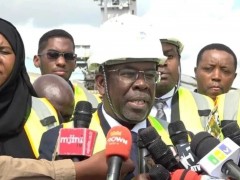
Tanzania's development aspirations are no longer distant policy rhetoric but have been put into action: roads, railways, ports, energy projects, digital system upgrades, public service construction, and initiatives to cultivate strategic industries all reflect this vision. However, national development cannot be measured solely by the number of implemented projects. only when these projects align with Tanzania's "Vision 2050" and contribute to achieving long-term national goals do they possess true value. The success of Tanzania's development hinges on how much growth potential these projects unlock and whether they effectively propel the country toward its 2050 transformation target—becoming a middle-income economy with a GDP of $1 trillion and per capita income of $7,000. Infrastructure and public investments can create value across the entire industrial chain: building a road not only facilitates farmers' transportation of agricultural products but also helps businesses access markets and reduces manufacturing delays; launching an energy project provides stable support for factories, hotels, mines, hospitals, schools, and various small and micro enterprises; upgrading port and railway networks boosts trade, lowers transportation costs, and enhances regional connectivity. The integration of port and railway networks in East Africa further unleashes trade potential and deepens regional economic integration.