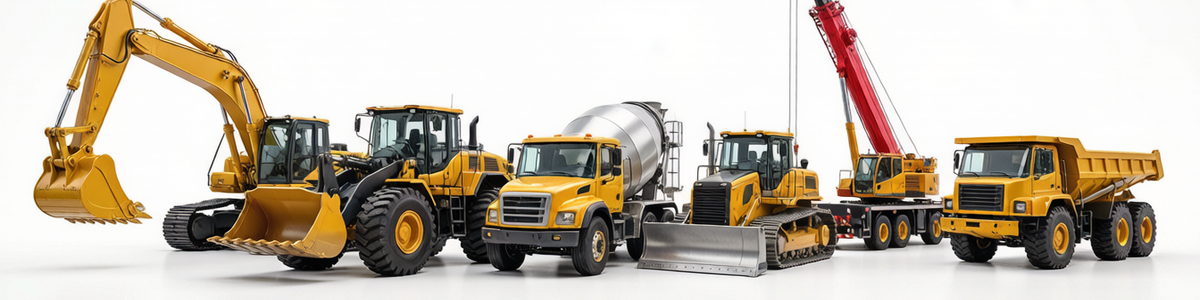

As equipment procurement matures across African markets, buyer priorities are shifting from price alone toward total cost of ownership, adaptability, and financing flexibility. Suppliers who understand these demands are winning market share.
1. Adaptation to harsh operating conditions. The most requested machine configurations for African mine sites and remote projects include:
Reinforced dust-proof filtration systems for dry, dusty environments
Tropical heat dissipation packages for ambient temperatures above 40°C
Heavy-duty frames, suspensions, and cargo boxes for rough mine roads
Anti-corrosion treatments for coastal and humid regions
2. Fuel economy and simplified maintenance. With diesel costs a major share of operating expenses, buyers increasingly favor equipment with low fuel consumption and easy access to wear parts. Local availability of filters, hydraulic hoses, and undercarriage components is now a decisive purchase factor.
3. Financing and rental options. Equipment financing in partnership with export credit agencies or local banks — typically structured over 6 to 24 months — can multiply sales volumes. Rental and "CapEx-to-OpEx" managed-service models are expanding rapidly, particularly in West Africa where rental growth is running at 28% annually.
4. Training and after-sales support. Operator and maintenance training programs have proven highly effective at building customer loyalty and reducing warranty claims. Equipment suppliers operating regional parts depots and service centers report significantly higher repeat-purchase rates.
5. Electrification — a growing niche. While electric machinery remains a small share of the market, South Africa's mandatory carbon labeling scheme and solar-powered site operations are creating early demand for electric and hybrid units, particularly compact excavators and stationary plants such as crushers and oil presses used near grid-connected or solar-powered facilities.