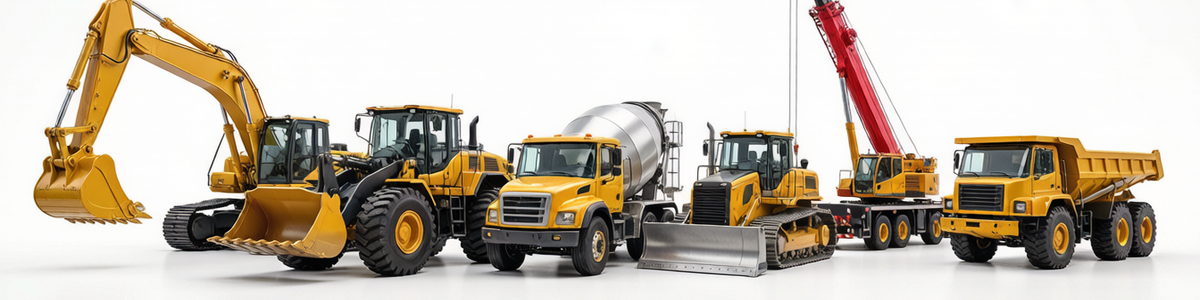

[Buyer's Guide] 5 Pitfalls to Avoid When Buying Used Construction Machinery
Purchasing used construction machinery is like panning for gold: make the right choice, and you can save a fortune; make the wrong one, and you might end up in a bottomless pit. based on industry experience, here are five essential tips to help you avoid common traps:
1. Strictly Verify Ownership and Clear Liens
The biggest hidden risk with used equipment isn't mechanical failure; it's unclear ownership. Always verify original purchase invoices and certificates, ensuring the serial number and model match the documents perfectly. More importantly, check if the equipment has any outstanding mortgages, seizures, or unpaid lease agreements. Buying equipment with unresolved financial claims could result in it being repossessed by the original manufacturer or financial institution, leaving you with no machine and no money.
2. Beware of Unrealistically Low Prices
In the construction machinery industry, "you get what you pay for" is an iron rule. Be highly suspicious of equipment priced significantly below market value. It is likely a "refurbished" machine cobbled together with scrap parts, or one that has been repainted and sanded to hide severe structural cracks or wear. These machines may look brand new on the outside, but they suffer from severe internal fatigue and pose serious safety risks during operation.
3. Check Actual Wear, Not Just the Hour Meter
Don't blindly trust the working hours on the dashboard, as hour meters are easily tampered with. To determine the true condition, focus on the details: compare the wear on the cabin seat and control levers with the hour meter reading; inspect the actual wear on blades, tires, and track pads; and check the aging of hydraulic hoses and any non-factory weld repairs on structural components. Genuine wear and tear from actual working conditions cannot be easily faked.
4. Inspect the "Big Three" and Undercarriage
The condition of core components directly determines your future maintenance costs. During inspection, pay close attention to the engine (check for abnormal noises or oil burning), the hydraulic system (ensure smooth operation without power loss or leaks), and the structural frame (look for cracks in the boom, arm, and undercarriage). Additionally, a load test of at least 30 minutes is mandatory to check if the transmission shifts smoothly and steering is responsive. This is the most effective way to evaluate the powertrain's overall condition.
5. Standardize Contracts and Secure After-Sales Support
Never rely on verbal promises. Always sign a formal purchase contract that clearly states the equipment's current condition, guarantees clear ownership, outlines acceptance criteria, and specifies penalties for breach of contract. For payments, always transfer funds to the original owner's or a reputable dealer's official account, refuse third-party collections, and keep all transfer receipts. Finally, clarify logistics responsibilities and after-sales support in advance to avoid being stuck with a "one-off deal" that leaves you stranded if issues arise.
At Firefly (Tianjin) Intelligent Technology, we don't just provide cost-effective machinery; we are committed to offering full life-cycle after-sales support and guaranteed spare parts to keep your equipment running smoothly.